Invisalign for Seniors: It’s Never Too Late to Straighten Teeth
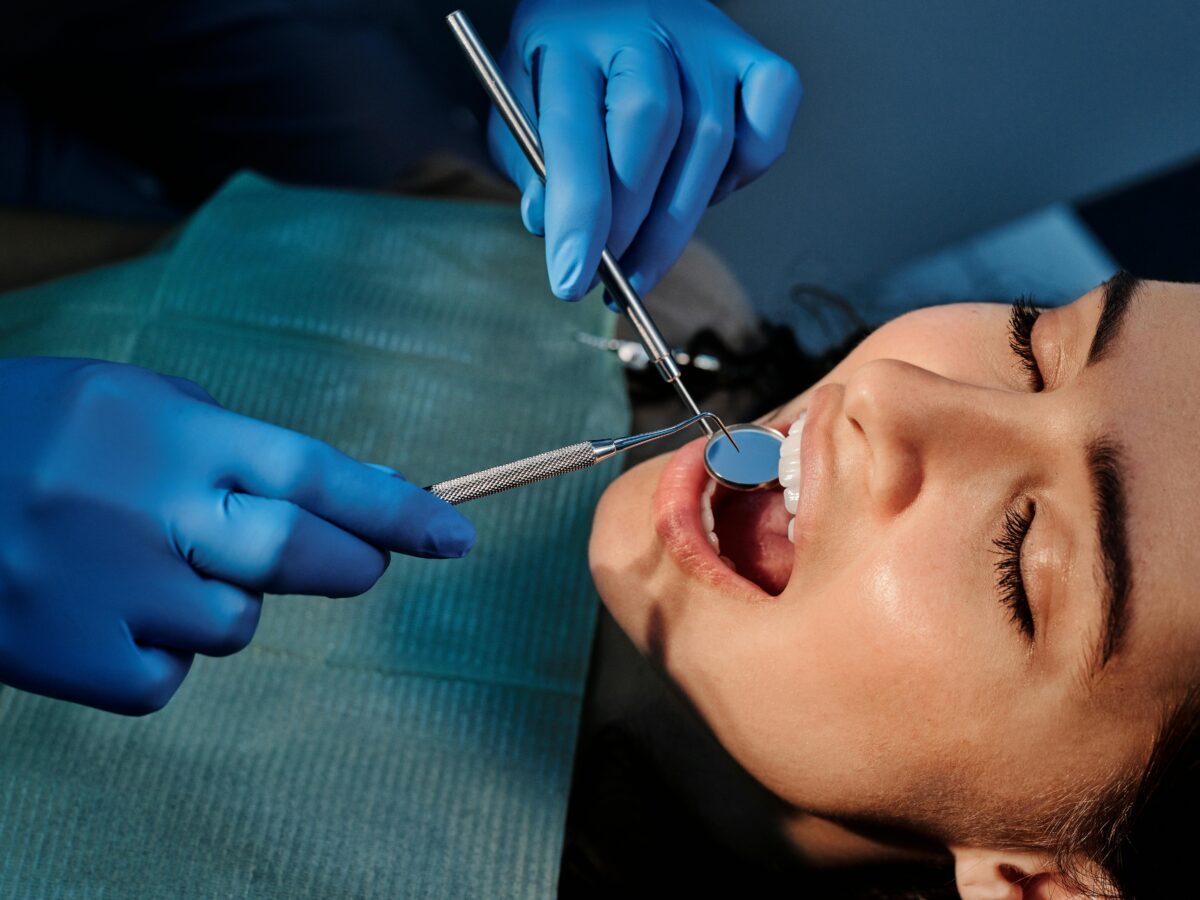
A surprising number of people assume orthodontic treatment belongs to the teenage years, filed somewhere between prom photos and wisdom teeth. In practice, some of the most motivated orthodontic patients are well past retirement age. They are not chasing a perfect yearbook smile. They are trying to bite into a sandwich without discomfort, clean crowded teeth more effectively, protect dental work they have already invested in, or feel less self-conscious in photos with grandchildren.
That shift in motivation matters. Straightening teeth later in life is rarely about vanity alone. It is often tied to comfort, function, and long-term oral health. Invisalign has become a common option in these cases because it can move teeth in a controlled, discreet way without the look and feel of brackets and wires. For many older adults, that makes treatment feel possible when traditional braces never did.
Age by itself is not the barrier people think it is. Teeth can move throughout life, provided the gums, bone, and surrounding structures are healthy enough to support treatment. The real question is not whether someone is “too old” for Invisalign. The better question is whether their mouth is ready for it, and whether clear aligners are the right tool for the specific changes they want to make.
Why older adults seek orthodontic treatment
The reasons seniors consider orthodontic care tend to be more practical than most advertisements suggest. Teeth continue to shift over time. A person who had naturally straight teeth at 30 can develop crowding by 65. Lower front teeth are especially prone to this. Small changes add up. A slight overlap becomes harder to floss. A previously comfortable bite starts to feel uneven. One tooth begins taking more force than it should, leading to wear, chipping, or gum recession.
I have seen many cases where the trigger is a dental cleaning. A hygienist points out areas that are increasingly difficult to reach because teeth have drifted. Other times, the catalyst is restorative work. A crown, bridge, or implant plan may work better if the bite is corrected first. Occasionally, it is a denture or partial denture issue, where neighboring natural teeth have shifted enough to affect fit and function.
There is also the emotional side, and it should not be dismissed. Many seniors spent decades putting family needs ahead of their own care. When they finally address their smile, it can be deeply personal. One patient in her early seventies told me she had covered her mouth when laughing since college because of one rotated front tooth. Her treatment goal was modest, but the impact on her confidence was anything but small.
What makes Invisalign appealing later in life
Invisalign is not invisible, but it is subtle enough that most people do not notice it unless they are looking closely. That matters to adults who give presentations, volunteer in public-facing roles, or simply do not want orthodontic appliances to become a topic of conversation.
The trays are removable, which is both a strength and a responsibility. For older adults with existing crowns, bridgework, or delicate gum tissue, the ability to remove aligners for brushing and flossing can be a major advantage. Oral hygiene is usually easier with clear aligners than with fixed braces. That point becomes especially important for patients with a history of gum disease, dry mouth, or multiple restorations.
Comfort is another reason many seniors prefer Invisalign. Traditional braces can be highly effective, but they involve wires and brackets that may rub cheeks and lips. Clear aligners tend to produce pressure rather than sharp irritation, though attachments and tray edges can still cause mild soreness at times. For someone who takes medications that already contribute to mouth dryness or tissue sensitivity, a smoother system can be easier to tolerate.
There is also the issue of lifestyle. Retired adults are often more socially active than outsiders assume. They travel, attend weddings, go to community events, and spend time dining out. The ability to remove aligners briefly for meals and special occasions can make treatment feel less intrusive. That said, success depends on wearing them consistently, usually about 20 to 22 hours a day. Freedom without discipline becomes failure very quickly.
Age is not the problem, oral health can be
A healthy 68-year-old with stable gums may be a better candidate for Invisalign than a 28-year-old with untreated periodontal disease. This is where expectations need to be grounded in biology rather than optimism.
Orthodontic tooth movement depends on bone remodeling. If the supporting bone has been significantly reduced by gum disease, movement must be planned more cautiously. Teeth with recession, mobility, or inflammation require careful evaluation first. Sometimes the answer is still yes, but only after periodontal treatment and a period of stability. Sometimes the plan needs to be scaled back to safer, limited goals.
Dry mouth deserves attention too. It becomes more common with age, often because of medications for blood pressure, depression, allergies, pain, or sleep. Reduced saliva can increase cavity risk, especially if aligners are worn over teeth that are not cleaned thoroughly. A person who sips sweetened tea all day and puts aligners back in without brushing is creating ideal conditions for decay. Invisalign works best in a mouth that is clean, hydrated, and monitored.
Bone density, arthritis, and dexterity issues can affect the experience, though not always in the way patients expect. Arthritis in the hands can make tray removal difficult at first, but there are tools that help. Limited mobility in the shoulders or neck may complicate detailed oral hygiene, but often a powered toothbrush, water flosser, and a few practical adjustments solve the problem. These concerns should be discussed honestly rather than treated as deal-breakers.
When Invisalign works well for seniors
Clear aligners can be an excellent choice for mild to moderate crowding, spacing, relapse after past orthodontic treatment, and certain bite corrections. They are often particularly useful when an older adult wants meaningful improvement without the visual profile of braces.
A common example is lower incisor crowding. It can make the front teeth look uneven and create tight contact points that trap plaque. Invisalign can often address this effectively, especially when paired with careful finishing and retention. Another frequent scenario involves upper front teeth that have flared or shifted after years without a retainer. Patients notice it first in photos. Dentists notice it in wear patterns and bite relationships.
Invisalign can also play a supporting role in broader dental treatment. Sometimes teeth need to be repositioned before veneers, implants, or other restorative work. Moving roots into a healthier position can improve not only appearance but also how forces are distributed when a person chews. For seniors who have already spent considerable time and money maintaining their teeth, that protective aspect can be more valuable than the cosmetic result.
When another approach may be better
It is equally important to say where Invisalign has limits. Severe bite discrepancies, significant vertical problems, or complex tooth movements may be better treated with traditional braces, sometimes in combination with other interventions. Aligners have improved dramatically over the years, but they are not magic plastic.
If a patient has active gum disease, uncontrolled decay, or loose teeth, orthodontic treatment should generally wait. The foundation comes first. If someone has numerous old crowns and bridgework, the orthodontist also has to consider how aligner attachments will bond to those surfaces and whether the planned movements are realistic. Dental implants are another special case because they do not move like natural teeth. The treatment plan has to work around them, not through them.
There are lifestyle limitations too. A person who snacks frequently, forgets routines easily, or is not likely to wear trays as instructed may struggle with Invisalign. Traditional braces can sometimes be the more reliable option for a patient who wants the result but not the daily responsibility.
The first consultation tends to answer the right questions
Many seniors expect the first visit to revolve around cosmetics. A good consultation is much more comprehensive. The clinician should evaluate gum health, existing restorations, missing teeth, bite function, areas of wear, jaw symptoms, and oral hygiene habits. Digital scans and photographs help, but clinical judgment still matters. Not every movement that looks possible on a screen is wise in an older mouth.
This is also the time to discuss medical history in practical terms. Bisphosphonate use, diabetes control, autoimmune conditions, and smoking history can all influence treatment planning. None of these factors automatically rule out Invisalign, but they change how cautiously the case should be approached and how closely progress should be monitored.
Patients often ask, “How long will it take?” The honest answer is that it depends on the complexity of the movement, the health of the supporting tissues, and how faithfully the aligners are worn. Some minor corrections may take six months. Many comprehensive adult cases fall closer to 12 to 18 months. Refinements are common. Anyone promising a dramatic correction in a suspiciously short timeline deserves a second opinion.
What treatment feels like day to day
Most seniors adapt to Invisalign faster than they expect. The first few days with a new set of trays typically bring pressure, especially when removing them to eat. That sensation is normal and usually fades. Speech may feel slightly different at first, particularly with “s” sounds, but most people adjust within days.
Meals require planning because aligners must be removed before eating or drinking anything other than water. Coffee drinkers often find this is the part that changes their routine most. Sip hot coffee with trays in, and they may stain or warp. Take https://maps.app.goo.gl/qwemdSbhdbvoCnq5A the trays out repeatedly all morning, and wear time suffers. The practical middle ground is to drink coffee in a more defined window, rinse well, and reinsert the trays promptly.
The same goes for medications, lozenges, and habits that seem minor but are not. A sugar-containing cough drop used while wearing aligners is not harmless. Neither is frequent sipping of juice. Seniors who manage chronic dry mouth sometimes need a customized prevention plan during orthodontic treatment, including fluoride, saliva substitutes, and more frequent hygiene visits.
A few practical habits make a real difference:
- Brush before putting trays back in whenever possible, especially after meals.
- Keep a travel case and a small toothbrush kit handy, because forgotten aligners end up in napkins and restaurant trash.
- Clean trays gently and consistently, using products recommended by the dental team rather than abrasive toothpaste.
- Report any gum bleeding, looseness, or poor tray fit early instead of waiting for the next scheduled visit.
- Wear retainers exactly as directed after treatment, because teeth do not stop drifting just because treatment is finished.
Gum health is the quiet issue behind good outcomes
If there is one topic older Invisalign patients should take seriously, it is periodontal health. Crowded teeth are harder to clean, which means orthodontic treatment can improve hygiene in the long run. But the process of moving teeth also places demands on the supporting tissues in the short term. Healthy gums are resilient. Inflamed gums are not.
For patients with a history of periodontal disease, coordination between the general dentist, periodontist, and orthodontic provider can be the difference between a routine case and a frustrating one. Professional cleanings may need to be more frequent during treatment. In some cases, the goals of tooth movement should be conservative. A “good enough and stable” result may be the smarter choice than pursuing textbook alignment at the expense of support.
I have seen very successful senior cases where the aesthetic change was moderate but the functional benefit was substantial. Aligning a few crowded lower teeth reduced plaque retention and made home care easier. Closing a small anterior gap improved speech and confidence. Correcting a traumatic bite reduced wear on a vulnerable tooth. These are not flashy before-and-after stories, but they are often the most worthwhile.
Existing dental work changes the plan
Crowns, veneers, fillings, bridges, implants, and partial dentures are common in older adults, and each one affects how Invisalign is designed. Teeth with crowns can often be moved successfully, but attachments may not bond as predictably to porcelain as they do to natural enamel. Large fillings can present similar challenges. Bridge units cannot move independently, so they may limit options. Implants, as noted, are fixed in place.
This does not mean treatment is off the table. It means the plan has to respect what is already there. Sometimes a staged approach works best, with orthodontic movement first and restorative updates later. Other times, the existing restorations are stable and the tooth movement is designed around them. The key is realistic sequencing. Older adults often have more dental history, so they benefit from a provider who can see the whole picture instead of focusing only on straightness.
One example that comes up often involves a patient considering a dental implant where a tooth was lost years ago. If neighboring teeth have tipped into the space, the implant site may need orthodontic reopening first. Invisalign can be a good tool for that, but only if the case is planned carefully and the restorative dentist is part of the conversation.
Cost, value, and the question people are sometimes embarrassed to ask
Orthodontic treatment is an investment, and seniors are usually practical about money. They want to know whether the result justifies the cost. That is a fair question. Fees vary by region and complexity, but Invisalign is often comparable to braces and sometimes slightly more expensive. The total may range widely, often from several thousand dollars upward, depending on the case and the provider.
Insurance coverage for adult orthodontics is inconsistent. Some plans offer limited benefits, many offer none. Financing options are common, but payment convenience should not be mistaken for affordability. It is better to ask for a full accounting up front, including whether refinement trays, retainers, and follow-up visits are included.
The more useful way to think about value is broader than appearance. If treatment reduces abnormal wear, makes hygiene easier, supports restorative work, or improves daily comfort, the return may be meaningful. Not every case delivers all of those benefits, but many deliver more than people expect.
The emotional side is real, even when patients downplay it
Older adults often present their concerns in functional terms because they do not want to seem vain. Then halfway through treatment they mention that they smiled in a family photo without pressing their lips together. That moment matters.
There can also be hesitation rooted in identity. Some people worry that wanting straighter teeth at 70 is frivolous or indulgent. It is neither. Wanting to care for your teeth, improve your bite, or feel more comfortable with your smile is a legitimate health decision at any age. The same person who thinks nothing of cataract surgery or hearing aids may feel oddly self-conscious about orthodontics, even though all three can improve quality of life.
Family reactions tend to be more supportive than patients anticipate. Grandchildren are often fascinated by the trays. Adult children usually say some version of, “Good, you should do this.” The bigger hurdle is often internal permission.
Retainers matter more than most people realize
Finishing Invisalign treatment is not the end of the story. Retention is where results are protected. Teeth have memory only in the metaphorical sense, but the tissues around them do need time to stabilize after movement. Without retainers, relapse is common, and lower front teeth are notorious for drifting.
For seniors, retention planning should be straightforward and specific. The patient should know whether retainers are to be worn full time for a period and then nightly, how often they need replacing, and what signs suggest a fit problem. If dexterity is a concern, that should be addressed before treatment ends, not after.
This is one of those areas where expectations matter. Patients who are diligent with Invisalign usually do well with retainers because the routine already exists. Patients who viewed aligners as a temporary inconvenience and cannot wait to be done may need extra coaching. Straightening teeth is active treatment. Keeping them straight is maintenance, potentially for life.
Questions worth asking before you start
The right provider will welcome careful questions, especially from adults with complex dental histories. It helps to ask how much experience they have treating older patients, how periodontal issues are handled, and whether your general dentist or specialist will be involved if needed. Ask what movements are realistic, what compromises may be necessary, and what success looks like in your specific case.
It is also wise to discuss what happens if trays stop fitting, if attachments come off, or if the planned result needs refinement. Orthodontic treatment is precise, but real mouths are not perfectly predictable. A candid explanation is a good sign. Overconfidence is not.
A straight smile can mean more than aesthetics
When people hear “Invisalign for seniors,” they often picture cosmetic touch-ups. Sometimes that is part of the story. Just as often, the deeper story is preserving teeth, improving function, and making home care easier in a stage of life when every natural tooth is worth protecting.
Not every senior is a candidate, and not every case belongs in clear aligners. But many older adults are better candidates than they assume. If the gums are healthy, the goals are clear, and the treatment plan respects the realities of an aging mouth, Invisalign can be a practical and rewarding option.
Teeth do not care how many birthdays you have had. They respond to biology, planning, and consistency. For the right patient, that is very good news.
Omni Dental Specialty
Address: 1690 E Gonzales Rd, Oxnard, CA 93036
Phone number: +18053666000
FAQ About Invisalign
How much does Invisalign actually cost?
The out-of-pocket cost for Invisalign typically ranges between $3,000 and $8,000, with most patients paying a national average of roughly $5,100 to $5,700 before insurance.
What is the downside to Invisalign?
The biggest downsides to Invisalign are the intense discipline required to wear the trays 22 hours a day, the inconvenience of removing them to eat or drink, and the inability to fix severe, complex orthodontic issues.
Is $5000 a lot for Invisalign?
No, $5,000 is not considered a lot for Invisalign; it is exactly the national average. Treatment costs typically fall between $3,000 and $8,000, and $5,000 is the standard fee for a moderately complex case that takes 6 to 18 months to complete.